New Palette V2 is here, in early access
Moments,
in color
Colorization for photo platforms, archives and productions, proven on 54 million photographs.
Already at work for
- BBC
- History Channel
- SPIEGEL TV
- Colorizing since
- 2017Since
- Families served
- 6.6Mfamilies
- Photographs colorized
- 54Mphotographs colorized
Only the color changes
General image models regenerate the picture.
Palette keeps the one you have and adds the color.
Colors tailored to your product
An archive wants the record, a family app wants warmth. Five looks cover the range, and one of your own sets you apart.
Or try it on another photograph
Real family albums, in color
Pick a look and every album follows it. Best of gives each photograph the one that suits it.
0 photographs in 0 albums · showing Best of, each photograph in its chosen look
Context
Where the colors come from
Your catalog says when and where. A model reads what the photograph shows. Together they decide every color, and the scan is never touched.
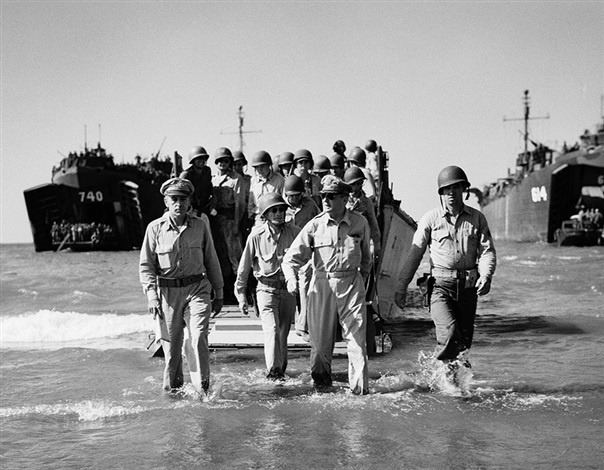
From your catalog
- Date1945
- PlaceLuzon, Philippines
- EntryGeneral MacArthur landing at Luzon
What the model read
Analyzed- UniformsCotton twill in a sun-bleached, dusty khaki.
- HelmetsSteel M1s in matte olive drab, shadow pooling under the brims.
- Landing craftSteel hulls, dark in the shade, the numbers 740 and 614 in crisp white.
- WaterSea foam over sand, deepening to blue.
- SkinTanned, with a rosy warmth in the faces.
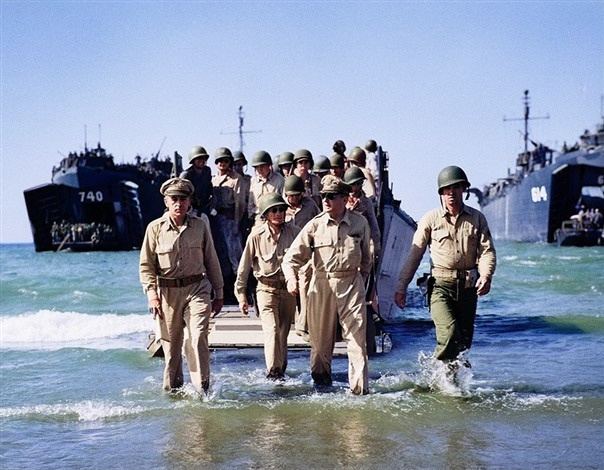 Colorized
Use cases
One API, every job
One endpoint, or a container on your own hardware. Send a photograph and what you know about it, and choose how it comes back.
Research colorization
Send the date, the place and what your catalog says. A frontier model reads the rest, so every color has a reason.
Instant previews at scale
Under a second a photo, on your own hardware. Thumbnails, previews, the whole backlog, and nothing leaves your network.
Styled colorization
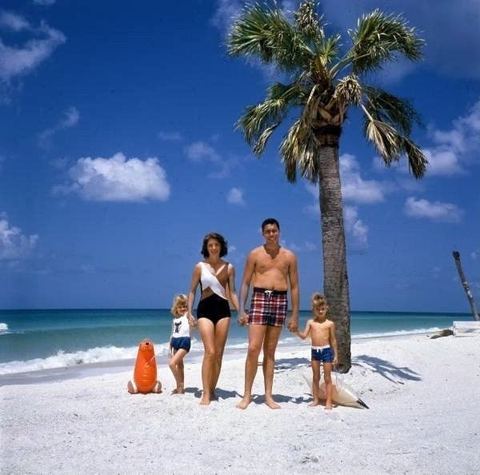
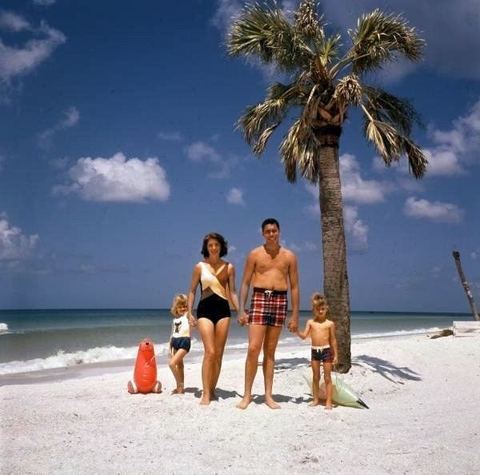
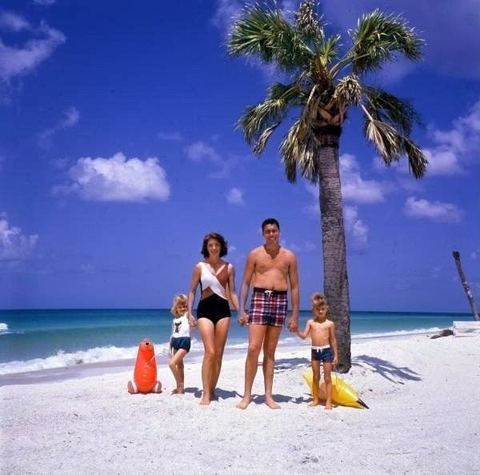
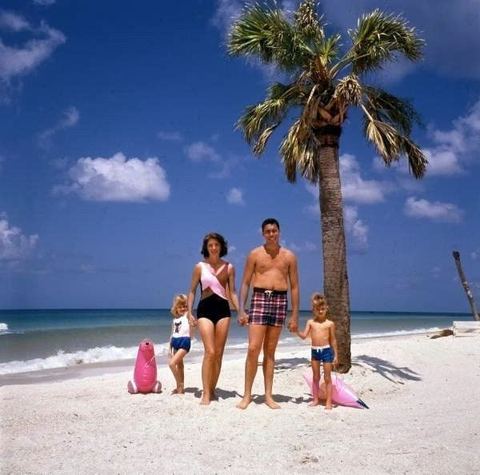
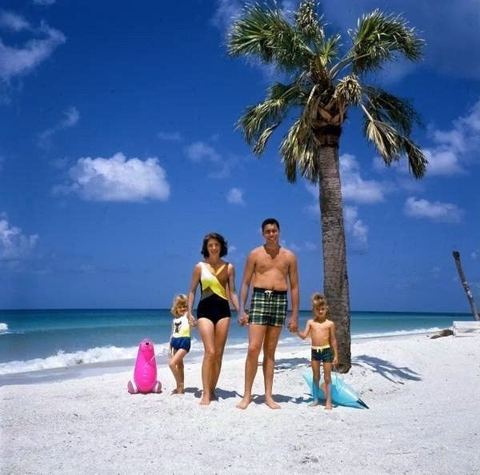
Five looks, or one we design with you. Hold one look across a whole archive, or give each of your products its own.
Recolor at full resolution
Colorize a small preview, pull a LUT from it, and apply it to the full-resolution original. Fast, and the color holds.
Whole archives
The back catalog in one run, at the resolution you send, picking up where it left off. Hosted by us, or on your hardware.
Video
Coming soonFootage, frame by frame, with one look held from the first frame to the last. Ask now, and you will hear about it first.
Licensing
Three ways to license
Fixed, metered or unlimited. We size the figure together on the call.
Project
One backlog, one fixed price, delivered.
A museum, an archive or a ministry digitizing a collection once.
- Hosted by us or on your hardware
- The renders are yours, commercial use included
- Delivered by a date we agree on
Annual
A fixed yearly fee, and usage metered on top.
Platforms and digitization services with a steady flow.
- The fee covers the integration, the looks and support
- Versions pinned, updates on your schedule
- Usage metered per photograph, at a rate fixed for the term
Platform
Unlimited volume, your own look, and the terms your legal team asks for.
Platforms that make colorization part of the product.
- Self-hosted rights, hosted by us or on your hardware
- A signature look designed with you
- Data processing agreement and support terms
- Sell it your way: plans, credits or an add-on
Every license covers your own products. None covers reselling colorization on its own.
What happens next
It takes a couple of weeks from the first call to going live, and you deal with the same person the whole way.
- 1
First, a conversation
Half an hour with Emil, to understand what your product does today and where you would like it to go.
- 2
Then your photographs
Send over a few tricky ones. A couple of days later you get them back in color, and we can talk about what you see.
- 3
A pilot on your terms
Thirty days on our API with your own test set, judged against pass criteria we agree on before it begins.
- 4
And then you are live
One endpoint, or a container you run yourself, with your signature looks built in from the first day.
If you would rather not send photographs at all, take an API key and run them yourself. Nothing is kept.
FAQ
Good questions.
Short answers to what people ask us most.
Who is this for?
Photo platforms, digitization services, archives and productions with volume. For a few hundred photographs, use the app.
Instant, or with a description first?
Instant colors from the pixels alone, on your own hardware, in under a second. With a description first, a model reads the photograph and the colors follow what it finds: on your hardware, or with a frontier model that knows the most. You choose per call.
Can we send what we know about a photograph?
Yes. The date, the place and the catalog entry go in with the photograph, and the description starts from what you already know.
Are photos stored?
No. On your own hardware, nothing leaves your network. When a frontier model writes the description, the photograph goes out for that step only, is processed in memory, and nothing is kept. The same when we host it for you.
Do you train on our photos?
No, never.
What are the limitations?
Color is inferred, so some of it is a guess. Where it misses: color bleeding across fine patterns and badly damaged scans, small objects in the wrong hue, and wrong colors when the description misreads a scene. Dark or faded scans come back flatter. It never redraws, so a miss is a wrong shade, not a wrong picture. Pin a look, run it again with a description, or send it to us.
How fast does it work?
Under a second with Instant. A description first adds a few seconds, so one to five seconds a photograph.
Can we have our own look?
Yes. Designed with you, named after you, yours alone.
Who owns the outputs?
You do, commercial use included.
Will results change under us?
No. Versions are pinned until you choose to upgrade.
Does it work at full resolution?
Yes.
How is it billed?
Three ways: a fixed price for a project, a yearly fee with usage metered on top, or a platform license with unlimited volume. We size it together on the call. The frontier model's description is passed through at cost.
Do you sign a data processing agreement?
Yes, on request.
Who do we deal with?
Emil, directly. No ticket queue.
Does it do video?
Not yet. It is coming. Ask, and you will hear about it first.

About Emil Wallner
I colorized this, you can read about it in Wired, Wall Street Journal or The Washington Post
When I started working on colorization nine years ago, I got hooked.
What started as a hobby project was featured by Google, who then hired me.
One of my favorite projects at Google was the Klimt Project, where I worked closely with the Belvedere Museum to reconstruct the colors of Gustav Klimt’s three Faculty Paintings. They were lost in the Second World War, and only black and white photos remain.
I eventually left Google to start my own colorization studio, Palette, which has colorized photos for more than 6.6 million families so far, including Wired founder Kevin Kelly, who found it “remarkably accurate.”
An original photo is sacrosanct. Color enhances the story that’s already there.
Color makes the light come alive, the time of day, the mood. It brings back skin, sky and cloth. It sets the scene. And where the record ends, it fills the gaps with the colors of the era. When it’s all in place, a distant memory feels present, a calm, then a rush of emotion as the colors close the distance in time.
All my work has led to my latest creation, Palette V2, a new colorization algorithm that brings families even closer to their past.
Emil Wallner
Founder of Palette
Old photos.New life.
It starts with a thirty-minute call to get to know each other: what you’re building, and whether I can help.